Why Play Is Serious Learning
(and why we protect it at EIS)
Parents often ask us a question.
When does real learning begin?
Our answer may surprise you.
Real learning does not begin when children sit still. It begins when they are curious, engaged and emotionally safe.
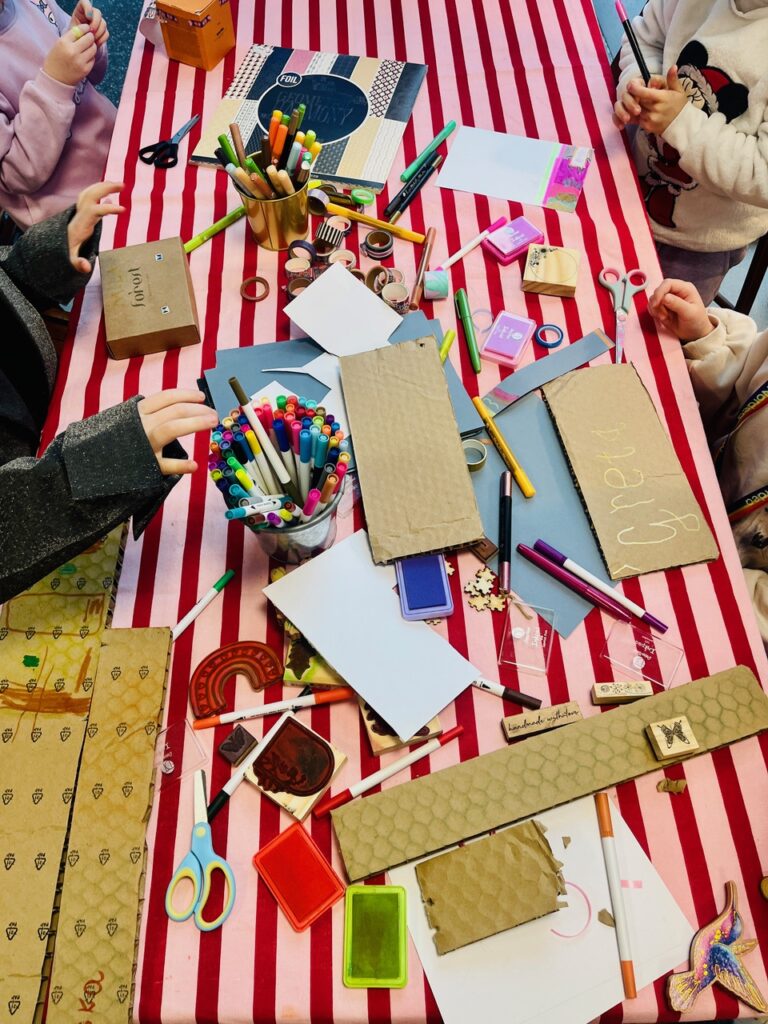
Play is not a break from learning. It is how children think, test ideas, build relationships and make sense of the world. When they build, role-play, draw, negotiate rules or invent games, they develop language, mathematical thinking, problem-solving, self-regulation and empathy at the same time.
At EIS, play is intentional. It is carefully designed, observed and extended by teachers who understand how children learn. Children are given time to explore deeply, adults listen closely to children’s ideas and learning spaces respond to real needs rather than adult convenience.
Agency – a foundation for lifelong learning
Play also builds a strong sense of agency. When children experience that their ideas matter, they become more confident, willing to take risks and open to learning from mistakes.
This approach is rooted in the Primary Years Programme (PYP) of the International Baccalaureate.
The PYP recognises that children learn best when they are active participants in learning. Play supports key skills such as communication, collaboration, thinking and self-management, while also developing learner profile attributes like curiosity and caring.
A moment for reflection
Think about a time when your child was deeply absorbed in play. What skills were emerging in that moment? Try not to interrupt too quickly today.